

Foods That Increase Joint Inflammation (And What to Avoid)
Joint pain can be frustrating, especially when it interferes with daily activities, Like from morning to winter time joint pain occurred frequently on aged people.
While many factors contribute to joint discomfort—like genetics, age, and physical activity—your diet plays a surprisingly significant role.
Certain foods can trigger inflammation in the body, worsening joint pain and stiffness. The good news? Understanding which foods to avoid and what to eat instead can help you manage symptoms and improve your overall joint health.
This guide breaks down the top inflammatory foods that may be aggravating your joints, explores why they cause problems, and offers practical alternatives to support a healthier, more comfortable lifestyle.
Understanding Inflammation and Joint Health
Inflammation is your body’s natural response to injury or infection. When you cut your finger or catch a cold, inflammation helps protect and heal the affected area. However, chronic inflammation—the kind that persists over time—can damage healthy tissues, including those in your joints.
Diet plays a key role in either fueling or reducing chronic inflammation. Some foods contain compounds that trigger an immune response, causing the body to release inflammatory chemicals. Over time, this can lead to joint pain, swelling, and reduced mobility, particularly for those with conditions like arthritis.
Understanding which foods contribute to inflammation is the first step toward making dietary changes that support joint health.
Top Inflammatory Foods to Avoid
Refined Sugars
Sugary treats like candy, soda, baked goods, and sweetened beverages can spike blood sugar levels and promote inflammation.

When you consume excess sugar, your body produces more cytokines—proteins that trigger inflammatory responses. Over time, high sugar intake can worsen joint pain and contribute to weight gain, which puts additional stress on your joints.
Trans Fats
Trans fats are found in many processed and fried foods, including margarine, packaged snacks, fast food, and commercially baked goods.
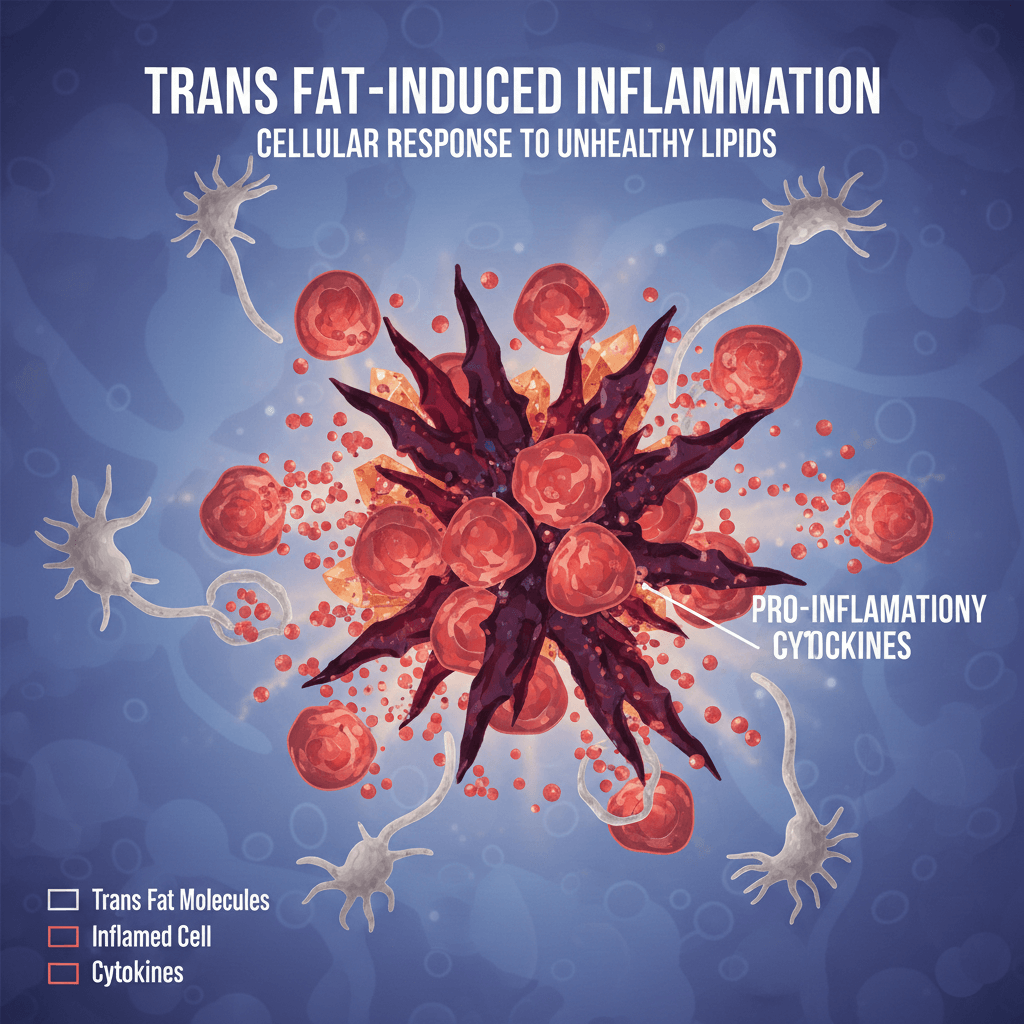
These unhealthy fats increase levels of harmful LDL cholesterol while decreasing beneficial HDL cholesterol, creating an environment in the body that encourages inflammation. Research has shown that trans fats can intensify inflammatory markers, making joint pain worse.
Processed Meats
Deli meats, hot dogs, sausages, and bacon often contain preservatives like nitrates and high levels of saturated fats. These ingredients can trigger inflammatory pathways in the body, contributing to joint discomfort. Processed meats are also linked to other health concerns, including heart disease and certain cancers, so reducing your intake benefits more than just your joints.
The Role of Nightshades and Gluten in Joint Sensitivity
Nightshade Vegetables
Nightshades are a group of vegetables that include tomatoes, potatoes, eggplants, and peppers. While these foods are nutritious for most people, some individuals with joint sensitivity report that nightshades worsen their symptoms. The reason lies in a compound called solanine, which may interfere with enzymes in the muscles and potentially trigger inflammation in sensitive individuals.
It’s important to note that nightshades don’t affect everyone the same way. If you suspect they’re contributing to your joint pain, try eliminating them from your diet for a few weeks and monitor how your body responds.
Gluten
Gluten is a protein found in wheat, barley, and rye. For people with celiac disease or gluten sensitivity, consuming gluten can trigger an immune response that causes inflammation throughout the body, including the joints. Even if you don’t have a diagnosed gluten intolerance, some people find that reducing gluten intake helps alleviate joint discomfort.
If you’re curious about gluten’s impact on your joints, consider cutting it out temporarily to see if your symptoms improve.
Healthier Alternatives: Anti-Inflammatory Foods to Incorporate
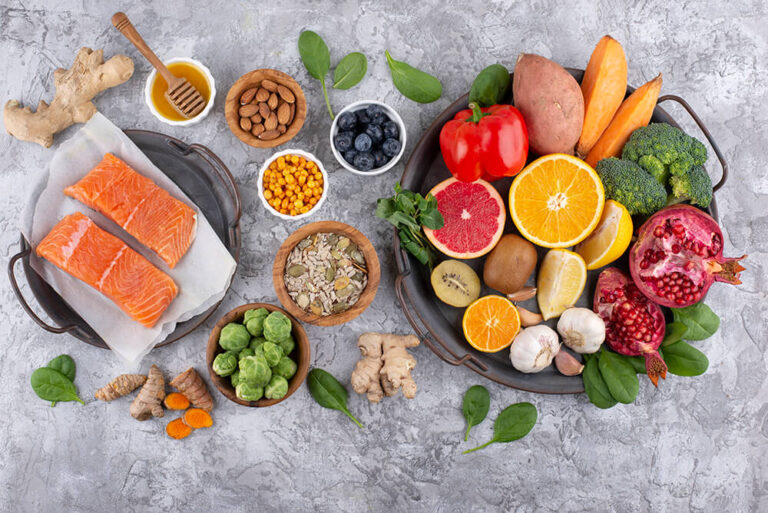
Eliminating inflammatory foods is only half the battle. The other half involves adding nutrient-rich, anti-inflammatory options to your diet. These foods can help reduce inflammation, support joint health, and improve your overall well-being.
| Food Category | Key Benefits & Compounds | Quick Serving Tip |
| Fatty Fish | Rich in Omega-3 fatty acids; powerful anti-inflammatory. | Eat salmon or sardines at least twice a week. |
| Leafy Greens | Packed with antioxidants and vitamins (Spinach, Kale). | Toss into smoothies or sauté as a side dish. |
| Berries | Contain anthocyanins to protect cells from damage. | Great as a fresh snack or topped on oatmeal. |
| Nuts & Seeds | Provide healthy fats and fiber (Walnuts, Chia). | Use as a crunchy salad topper or portable snack. |
| Olive Oil | Contains oleocanthal (acts similarly to ibuprofen). | Use extra virgin oil for dressings or light cooking. |
| Turmeric | Features curcumin, a potent anti-inflammatory spice. | Add to soups, curries, or “golden milk” lattes. |
| Green Tea | High in polyphenols for joint health. | Swap your second coffee for a warm cup of green tea. |
Pro Tip: To get the most out of Turmeric, try consuming it with a pinch of black pepper. The piperine in the pepper can significantly increase the absorption of curcumin in your body!
Practical Tips for Transitioning to a Joint-Friendly Diet
Changing your diet doesn’t have to be overwhelming. Here are some practical strategies to help you get started:
Start Small: Rather than overhauling your entire diet overnight, begin by eliminating one or two inflammatory foods. Once you’ve adjusted, gradually remove others.
Plan Your Meals: Take time each week to plan meals that emphasize anti-inflammatory ingredients. Batch cooking and meal prepping can save time and reduce the temptation to reach for processed convenience foods.
Read Labels: Many packaged foods contain hidden sugars, trans fats, and preservatives. Get in the habit of reading nutrition labels to make informed choices.
Stay Hydrated: Drinking plenty of water supports overall health and helps flush out toxins that contribute to inflammation.
Listen to Your Body: Pay attention to how different foods make you feel. Keep a food journal to track what you eat and any changes in your joint pain or energy levels.
Consult a Professional: If you’re unsure where to start or have specific dietary concerns, consider working with a registered dietitian or nutritionist who specializes in anti-inflammatory eating.
Take Control of Your Joint Health Through Diet
Your diet is one of the most powerful tools you have for managing joint inflammation and improving your quality of life. By avoiding inflammatory foods like refined sugars, trans fats, and processed meats, and incorporating nutrient-dense alternatives, you can take meaningful steps toward reducing pain and supporting long-term joint health.
Start making small changes today. Swap sugary snacks for fresh berries, replace processed meats with fatty fish, and add more leafy greens to your plate. Your joints—and your body—will thank you.





One Comment
Comments are closed.