
Foods That Lower Testosterone : Choose Your Plate Food
Most men who are concerned about their testosterone levels head straight to the gym, look into supplements, or consider medical options. Very few stop to examine what they’re eating three times a day, every single day.
That’s a significant blind spot — because the foods you consume don’t just fuel your body, they actively communicate with your endocrine system. And some of the most common foods in the modern diet are sending the wrong message entirely.
Testosterone production is a biological process, and like any biological process, it depends on the right inputs and the absence of the wrong ones. Certain foods disrupt hormone signaling, elevate estrogen, promote the kind of body fat that converts testosterone into estrogen, or directly suppress the organs responsible for testosterone production.
Processed Soy and Why It’s More Complicated Than You Think
Soy is arguably the most debated food in the conversation around male hormonal health, and for good reason. Soy contains phytoestrogens — plant-based compounds called isoflavones that structurally resemble estrogen and can bind to estrogen receptors in the human body.
The concern is that this estrogenic activity may suppress testosterone production or shift the hormonal balance toward estrogen dominance in men.
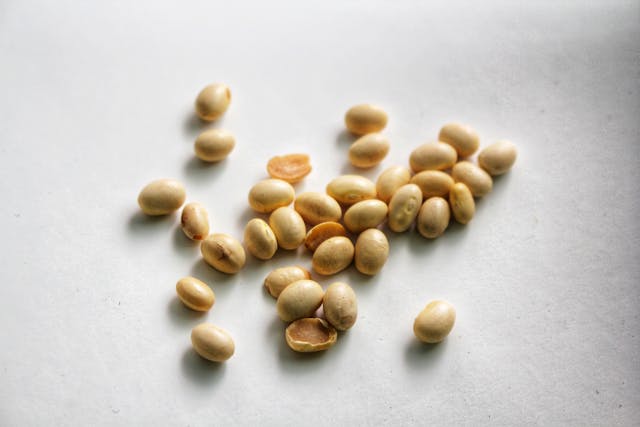
Moderate whole soy consumption — the kind found in traditional Asian diets for centuries — appears to have minimal impact on testosterone in most men. The problem is the form in which modern Western men are consuming soy.
Heavily processed soy products: soy protein isolates in protein powders and bars, soy flour in packaged foods, soybean oil in virtually every fried and processed food on the market — these are concentrated, stripped-down versions that deliver isoflavones in amounts far beyond what a bowl of edamame ever would.
Men who consume large quantities of processed soy-based protein supplements or rely heavily on soy as a primary protein source are the ones most likely to experience hormonal disruption. Occasional soy consumption is unlikely to cause meaningful harm, but making processed soy a dietary staple is a risk worth reconsidering.
Alcohol: The Most Socially Accepted Testosterone Suppressor
Alcohol and testosterone have a well-documented and deeply antagonistic relationship. The mechanisms are multiple and they compound each other. First, alcohol is directly toxic to Leydig cells — the cells in the testes responsible for producing testosterone.
“Regular heavy drinking causes measurable damage to these cells, reducing their capacity to synthesize testosterone over time.“

Second problem is that increase the cortisol in body. Cortisol and testosterone exist in a hormonal seesaw relationship — when one rises, the other tends to fall.
Third, alcohol impairs the liver’s ability to metabolize estrogen efficiently. When estrogen clearance slows down, estrogen builds up in the bloodstream — shifting the testosterone-to-estrogen ratio in a direction that undermines male hormonal health, sexual function, and body composition simultaneously.
Refined Carbohydrates, Sugar, and the Insulin Problem
The relationship between sugar, insulin, and testosterone is one of the most direct and least discussed connections in men’s hormonal health.
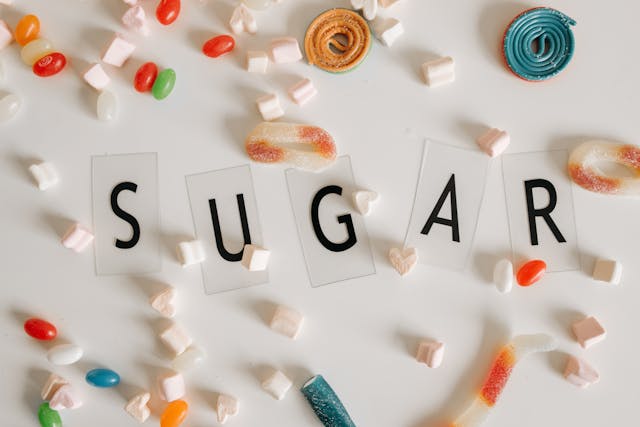
When you consume refined carbohydrates — white bread, pasta, pastries, sweetened cereals, soft drinks, candy — your blood sugar spikes rapidly, triggering a surge in insulin.
Research published in endocrinology journals has demonstrated that insulin spikes directly suppress testosterone production, with some studies showing testosterone levels dropping by as much as 25% in the hours following a high-sugar meal.
The Foods and Their Hormonal Impact at a Glance
| Food / Food Category | Primary Mechanism of Testosterone Suppression |
|---|---|
| Processed Soy Products | Phytoestrogens bind to estrogen receptors; disrupts hormonal signaling |
| Alcohol | Damages Leydig cells; raises cortisol; impairs estrogen metabolism |
| Refined Sugar & White Carbs | Causes insulin spikes; promotes insulin resistance; increases body fat |
| Vegetable & Seed Oils | High omega-6 content drives inflammation; linked to reduced T production |
| Flaxseed (in excess) | Contains lignans — potent phytoestrogens that may suppress testosterone |
| Mint (spearmint/peppermint) | Studies show significant anti-androgenic effects with regular consumption |
| Licorice Root | Inhibits 17β-HSD enzyme — directly reduces testosterone synthesis |
| Processed & Fast Foods | Trans fats, refined carbs, and preservatives combine to suppress hormonal function |
Vegetable and Seed Oils: The Hidden Dietary Hazard
This one surprises most men because vegetable oils — canola oil, sunflower oil, corn oil, soybean oil — are still widely presented as heart-healthy alternatives to saturated fat.
These oils are extraordinarily high in omega-6 polyunsaturated fatty acids. While some omega-6 is necessary, the modern diet delivers it in ratios wildly out of balance with omega-3s — sometimes 20:1 or higher when the optimal ratio is closer to 4:1.

Additionally, polyunsaturated fats are chemically unstable and prone to oxidation, particularly when heated.
Oxidized fats generate free radicals that damage cells and disrupt hormonal function at the cellular level. Replacing saturated fats with omega-6-heavy seed oils doesn’t support hormonal health; research increasingly suggests it may undermine it.
Flaxseed, Mint, and Licorice: Three Surprising Offenders
These three don’t get nearly enough attention in mainstream health conversations, likely because they’re associated with wellness and natural eating rather than hormonal disruption.
Foods That May Lower Testosterone
- Flaxseed – Rich in lignans (phytoestrogens) with anti-androgenic properties; can lower testosterone and raise SHBG. Occasional use is fine; large daily doses are a concern.
- Spearmint/Peppermint Tea – Proven to reduce androgen levels; helpful for women with PCOS but potentially problematic for men drinking several cups daily.
- Licorice Root – Contains glycyrrhizic acid, which blocks a key enzyme in testosterone production. Even short-term moderate use has been shown to reduce testosterone in healthy men.
Frequently Asked Questions
Q: Do I need to completely eliminate these foods to protect my testosterone levels?
Not necessarily. With most of the foods on this list, quantity and frequency are what determine impact. Occasional alcohol, a little soy in your diet, or a square of dark licorice candy is unlikely to meaningfully shift your hormonal balance.
The concern is with habitual, high-volume consumption — the man who drinks every night, eats processed soy protein daily, or has a diet dominated by refined carbohydrates and seed oils. Start by identifying your heaviest exposure and reduce from there. Perfection isn’t the goal; meaningful reduction is.
Q: Are there foods that can help raise testosterone levels to compensate?
Yes, and this is where a dietary approach becomes genuinely empowering rather than just restrictive. Foods rich in zinc such as oysters, red meat, and pumpkin seeds directly support testosterone synthesis.
Eggs, particularly the yolks, provide the cholesterol and vitamin D that hormone production depends on. Cruciferous vegetables like broccoli and cauliflower help the liver clear excess estrogen. Olive oil and avocados provide the healthy monounsaturated fats that support hormonal function.
Building a diet around these while reducing the testosterone-suppressing foods creates a compounding positive effect on hormonal health.
Q: How quickly can dietary changes affect testosterone levels?
The timeline varies depending on the individual and the severity of the dietary disruption, but research suggests that measurable hormonal changes from dietary shifts can be observed in as little as three to four weeks.
Studies on alcohol reduction, for example, show testosterone recovering relatively quickly once consumption is curtailed. Insulin sensitivity — and the testosterone improvements that come with it — begins to improve within weeks of reducing refined carbohydrate intake.
The body is remarkably responsive when given the right conditions; the challenge is simply sustaining the changes long enough to let the biology catch up.