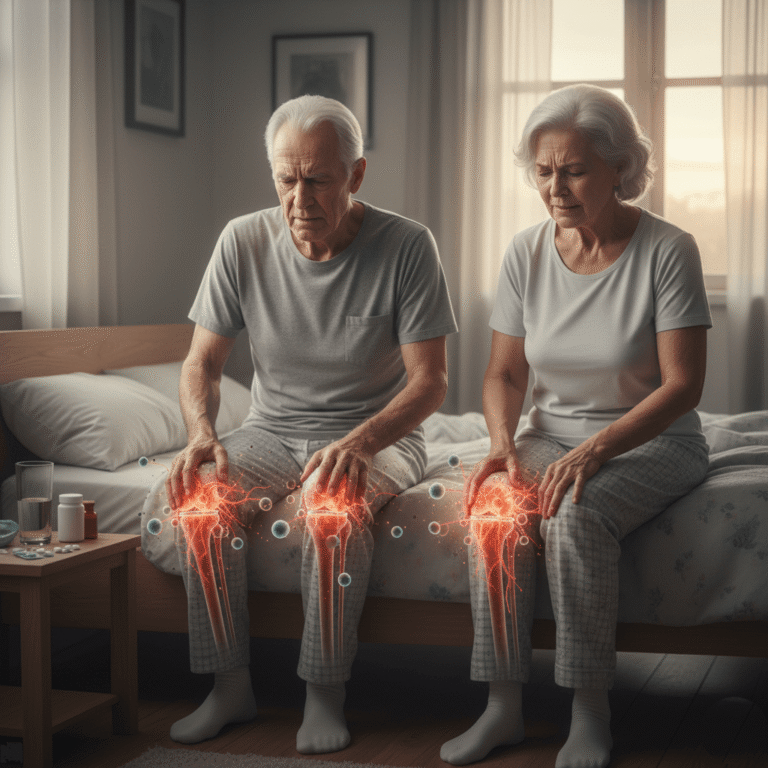
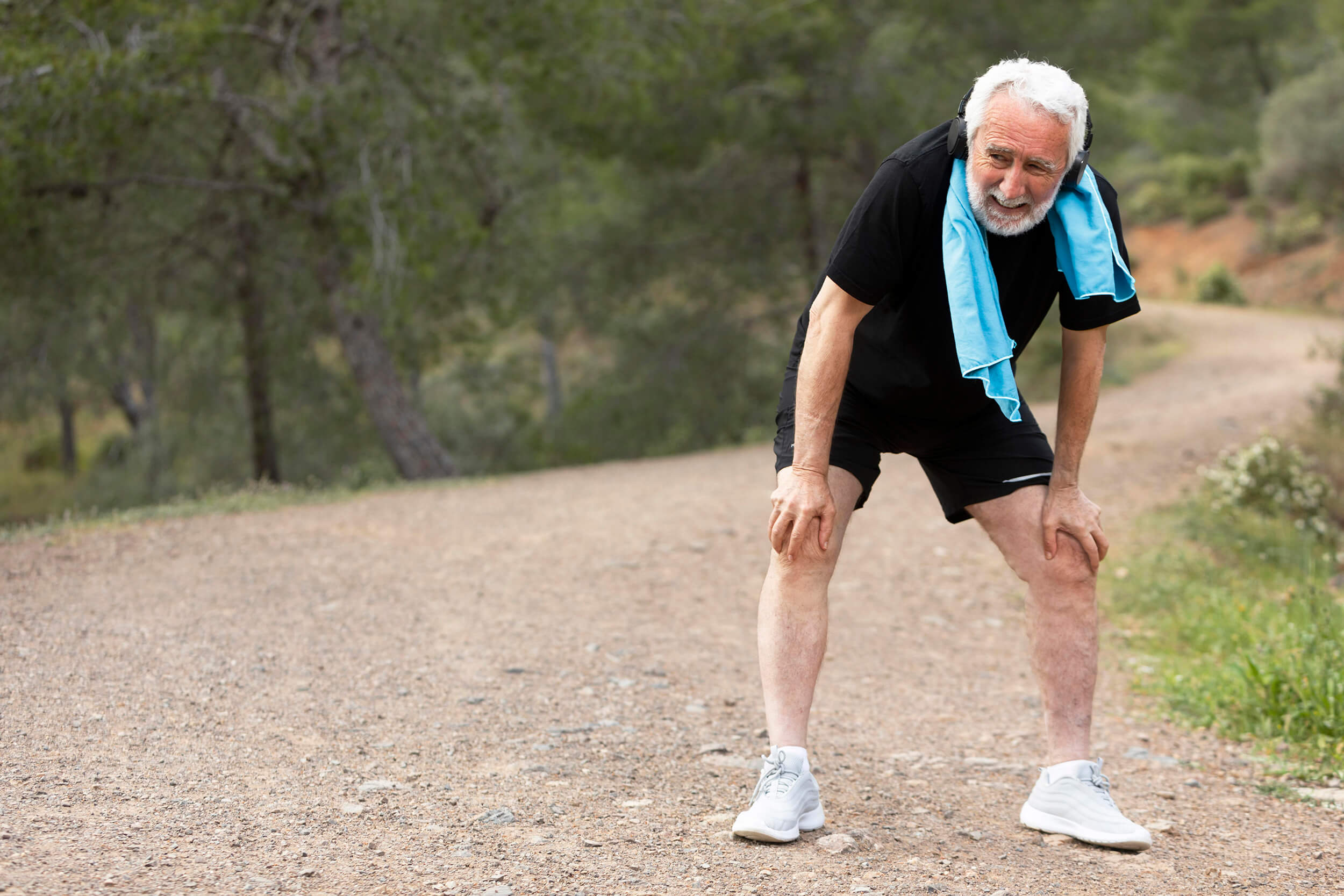
Why Does My Knee Hurt When I Walk (And What to Do About It)
Walking is supposed to be the simplest form of exercise. 10,000 steps trends in human booming after fitness influencer let it everyone.
It requires no equipment, you can do it anywhere, and it’s fundamental to human movement, But for millions of people—especially those over 40+ age a simple stroll around the block can become a source of dread.
Table of Contents
What starts as a dull ache or a mild twinge can slowly evolve into sharp, persistent pain. You might notice it when you first get out of bed, or perhaps it flares up only after you’ve been on your feet for twenty minutes. Suddenly, climbing stairs feels like a marathon, and you find yourself avoiding activities you once loved.
If this sounds familiar, you aren’t alone. Knee pain while walking is incredibly common, but it isn’t something you have to simply accept as “part of getting older.” Understanding exactly why your knees hurt is the first step toward reclaiming your mobility.
Why Walking Puts Your Knees at Risk
Before we dive into more in details and specific conditions, it helps to understand what is happening inside your leg with every step you take.
The knee is one of the largest and most complex joints in the human body, Like entire body stand on knees, ankle joints and It acts as a hinge, a pivot, and a shock absorber all at once.
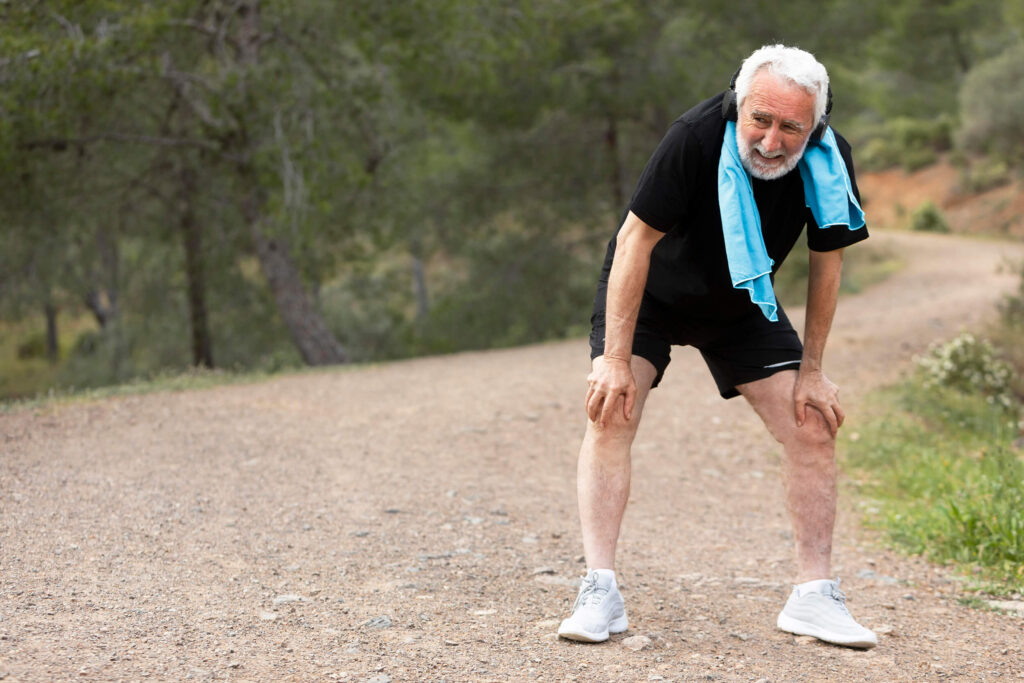
When you walk, your knee bears force equivalent to several times your body weight. It relies on a precise system of bones, cartilage, ligaments, tendons, and muscles working in perfect harmony. If just one part of this system is out of alignment, weakened, or damaged, the entire mechanism suffers. The result? Pain.
Let’s look at the eight most common reasons that system might be failing you during your daily walks.
Cartilage Wear and Tear
Think of cartilage as the brake pads of your knee joint and It is a firm, rubbery tissue that covers the ends of your bones, allowing them to glide smoothly against each other without friction. It also acts as a cushion, absorbing the impact of your footsteps.
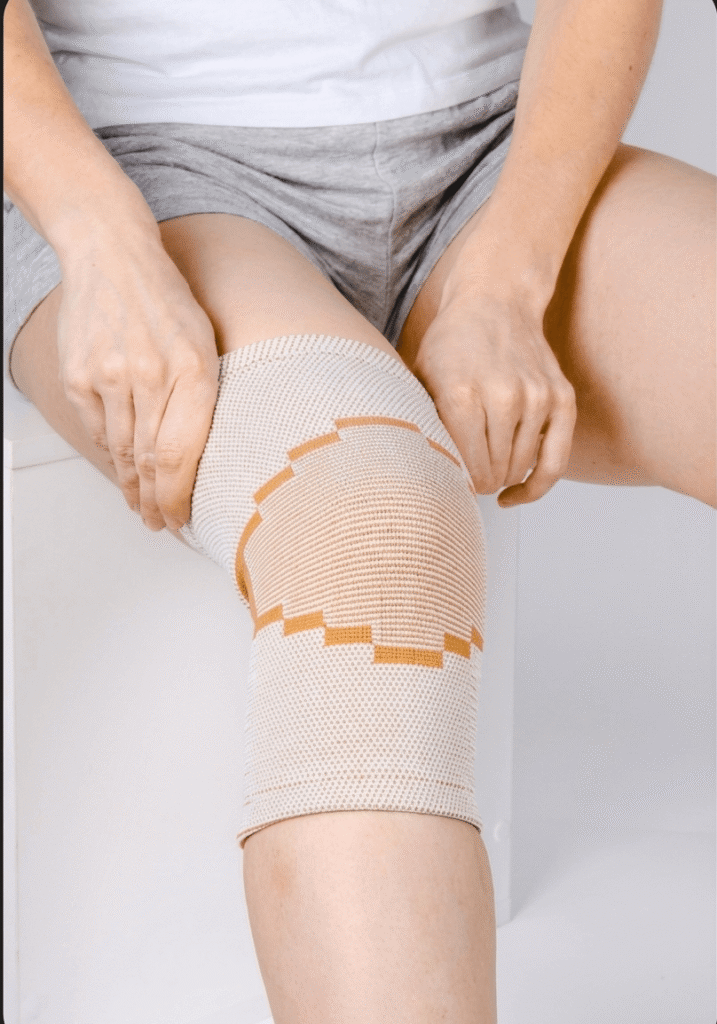
Unfortunately, cartilage isn’t indestructible. Over time, this protective layer can thin out. This happens for several reasons:
- Natural Aging: As we get older, our bodies produce less collagen, which is a key building block of cartilage.
- Repetitive Use: Years of walking, running, or standing take a cumulative toll.
- Genetics: Some people are simply more predisposed to thinner cartilage.
When the cartilage wears down significantly, the bones in your knee lose their protective buffer. This leads to increased friction, which your brain registers as stiffness or sharp pain while walking.
Knee Osteoarthritis (OA)
While general wear and tear is common, Osteoarthritis (OA) is a specific degenerative joint disease and a leading cause of knee pain worldwide. OA occurs when the cartilage breaks down to the point where the joint space narrows significantly.
Symptoms often develop slowly and worsen over time. If you have OA, you might notice:
- Startup Pain: Stiffness that is worse when you first wake up or after sitting for a long time.
- Audible Sounds: A grinding, clicking, or cracking sensation (crepitus) when you bend your knee.
- Activity-Related Pain: Walking might feel okay for the first few minutes, but the pain intensifies the longer you stay active.
Unlike acute injuries, OA is a chronic condition, but managing how you walk and strengthen your leg can significantly reduce the discomfort.
Weak Supporting Muscles
Your knee joint doesn’t work alone, Its relies heavily on the muscles of the thigh—specifically the quadriceps (front of the thigh) and hamstrings (back of the thigh)—to stabilize the joint and absorb shock.
If these muscles are weak, they cannot do their job effectively, This forces the knee joint itself to take on more stress than it was designed to handle. Weak muscles often result from:
| Sedentary Lifestyle | Sitting at a desk for long periods weakens the glutes and quads. |
| Lack of Resistance Training | Without targeted exercise, muscle mass naturally declines with age (sarcopenia). |
When your muscles are strong, they act like a brace, holding the knee in proper alignment. When they are weak, the knee wobbles and endures excessive pressure, leading to pain with every step.
Excess Body Weight
Physics plays a major role in knee health. Your knees support the majority of your body weight, and gravity multiplies that weight when you move. For every pound of excess weight you carry, your knees feel approximately four pounds of extra pressure when you walk.
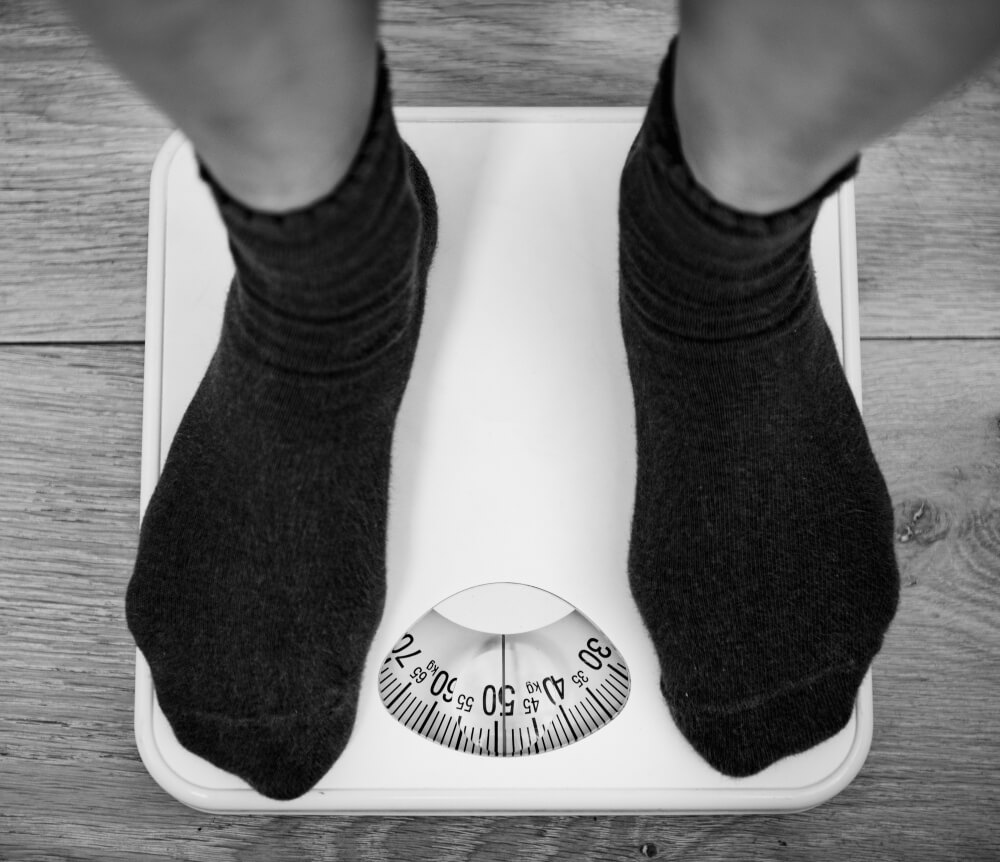
This means that gaining just 10 pounds adds 40 pounds of pressure to your knees with every single step. Over the course of a mile-long walk, that adds up to tons of extra force. This excess weight can:
- Accelerate the breakdown of cartilage.
- Increase inflammation in the joint.
- Make simple movements feel exhausting.
Weight-related knee pain often feels worse when walking on hard surfaces like concrete or when tackling inclines.
Poor Walking Mechanics and Posture
Sometimes the problem isn’t the knee itself, but how you are using it. Your gait—the way you walk—dictates how force travels through your legs. If your mechanics are off, your knees pay the price.
Common mechanical issues include:
- Overpronation: This happens when your feet roll inward excessively when they hit the ground. This twists the lower leg and puts torque on the knee joint.
- Flat Feet: A lack of arch support can misalign the entire leg.
- Unsupportive Footwear: Worn-out sneakers or shoes without proper cushioning change your gait and reduce shock absorption.
If you have poor posture or a misalignment in your hips or ankles, your knees often have to compensate, leading to strain and discomfort.
Ghosts of Injuries Past
Did you twist your knee playing soccer in high school? Or perhaps you had a minor meniscus tear years ago? Old injuries have a nasty habit of coming back to haunt us.
Even if an injury seemed to heal at the time, it may have left behind scar tissue, slight joint instability, or small structural changes. Years later, these vulnerabilities can resurface as pain during repetitive activities like walking. Conditions like “runner’s knee” or old ligament strains often flare up when you increase your activity levels.
Joint Inflammation
Inflammation is your body’s response to irritation. In the knee, inflammation can cause fluid to build up, leading to swelling that restricts movement and causes a feeling of pressure.
This can be triggered by overuse—like walking much further than you usually do—or by underlying autoimmune conditions. When the knee is inflamed, the joint feels stiff and “full.”
Walking becomes uncomfortable because the swollen tissues are being pinched or stretched with every movement. Pain from inflammation often lingers even after you sit down to rest.
Tight Tendons and Ligaments
Flexibility is just as important as strength. The tendons and ligaments that surround your knee connect muscle to bone and bone to bone. If these tissues are tight, they pull on the knee joint, preventing it from tracking smoothly.
- Tight Hamstrings: These can keep your knee slightly bent, increasing stress on the joint.
- Tight IT Bands: The iliotibial band runs down the outside of your thigh. If it gets tight, it rubs against the outside of the knee, causing sharp pain.
Stretching is often the missing link for walkers who experience pain despite being strong and healthy otherwise.
When Should You See a Doctor?
It is easy to brush off knee pain, hoping it will go away on its own. While occasional stiffness is normal, certain signs indicate you need professional evaluation. You should seek medical advice if:
- The pain has persisted for several weeks despite rest.
- You notice visible swelling, redness, or warmth around the joint.
- Your knee feels unstable, as if it might give out.
- The pain is severe enough to interrupt your sleep or prevent daily tasks.
Catching these issues early can prevent permanent damage.
Actionable Tips to Support Your Knees
The good news is that you have control over your joint health. You can manage discomfort and protect your knees with a few proactive strategies.
1. Strengthen Your Support System
Focus on low-impact exercises that build the quadriceps and hamstrings without grinding the joint. Swimming, cycling, and elliptical machines are excellent choices. Leg lifts and wall sits are great strengthening moves you can do at home.
2. Check Your Shoes
If you are walking for exercise, invest in high-quality walking or running shoes. Look for good arch support and cushioning. Replace your shoes every 300 to 500 miles, as the foam breaks down long before the shoe looks worn out.
3. Manage Your Weight
If you are carrying extra weight, losing even a small amount can provide massive relief. Remember the 4-to-1 ratio: losing 5 pounds relieves 20 pounds of pressure from your knees with every step.
4. Consider Joint Support
Some people find relief through supplements designed to support cartilage health and lubrication. Ingredients like glucosamine and chondroitin are popular choices for those looking to maintain joint flexibility.
5. Keep Moving (Wisely)
It sounds counterintuitive, but stopping activity completely often makes knee pain worse. Movement lubricates the joints. The key is to find the “sweet spot”—enough movement to keep the joint healthy, but not so much that you trigger inflammation.