

What Causes Joint Pain After Age 40?
Table of Contents
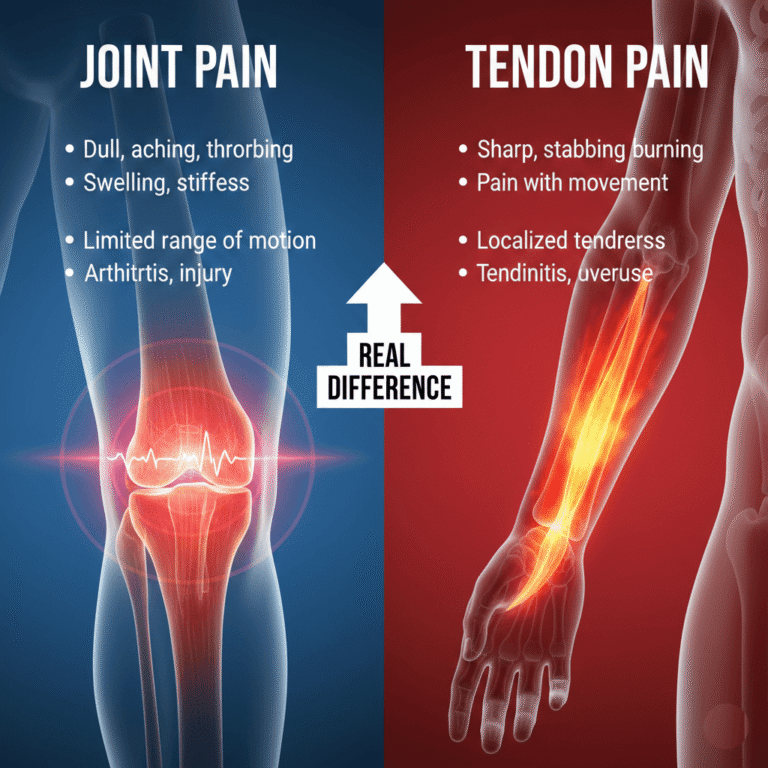
Joint pain is a common concern that often emerges after the age of 40 face by men and women in USA and a significant number increase in adults.
This discomfort can manifest in various ways, whether it’s the subtle morning stiffness that takes a little longer to shake off or a noticeable ache during a simple walk.
For many, the arrival of these sudden changes in their bodies can be surprising and unsettling.
Gaining a clear understanding of the underlying causes of joint pain in midlife is the crucial first step toward effectively managing these symptoms and supporting long-term mobility and overall health.
Why Joint Pain Becomes More Common After 40
When human body ages, natural structural and biochemical changes gradually take place in the joints and inflammation increases. These changes are part of the aging process and don’t happen overnight.

Over time, they can subtly begin to affect how we move, reducing mobility, limiting flexibility, and impacting overall comfort in daily activities.
Simple tasks, like bending down or reaching for something, may start to feel different as the joints adapt to these gradual shifts.
Natural Cartilage Wear and Tear
Cartilage is the smooth, flexible tissue that cushions the ends of bones within your joints, allowing them to glide past one another with ease during movement. As we age, this essential protective layer naturally begins to thin and wear down. This gradual change is influenced by several factors, including:
| Daily joint usage | The cumulative effect of years of walking, bending, and other movements contributes to the gradual wear and tear of cartilage. |
| Reduced collagen production | Collagen is a key protein that gives cartilage its strength and resilience. The body’s ability to produce collagen naturally |
| Slower tissue repair | The body’s natural processes for repairing and regenerating tissue become less efficient over time. This means that minor damage to the cartilage doesn’t heal as quickly as it once did. |
When cartilage becomes thinner and less robust, the bones within the joint may have less cushioning, which can lead to feelings of stiffness or discomfort, especially during or after movement.
Increased Inflammation in the Body
Low-grade inflammation is a common issue that tends to increase as we age, often developing gradually over time. This type of inflammation can be influenced by a variety of lifestyle and environmental factors.
A poor diet, particularly one high in processed foods or lacking essential nutrients, can contribute to ongoing inflammation in the body. Similarly, chronic stress places strain on the immune system, making it easier for inflammation to persist.

A sedentary lifestyle and lack of regular physical activity also play a significant role, as movement is essential for maintaining healthy joints and reducing stiffness.
Additionally, prolonged exposure to environmental factors, such as pollutants or toxins, can exacerbate this chronic condition. Over time, these factors may lead to the breakdown of joint tissues and surrounding structures, impacting mobility and overall well-being.
Reduced Synovial Fluid Production
Synovial fluid acts as a critical natural lubricant within the joint capsules, allowing for smooth, frictionless movement. However, as the body ages past 40, the production of this vital fluid may begin to taper off. This decline in lubrication can lead to several noticeable issues, including:
- Reduced joint flexibility: Movements that once felt fluid may become more restricted as the surfaces within the joint experience more friction.
- Stiffness after long periods of sitting: Many people notice that after being sedentary, their joints feel “locked” or tight, requiring a period of movement to loosen up.
- Discomfort during movement: Without adequate lubrication, everyday activities can become increasingly uncomfortable as the joint structures lack the necessary cushioning to glide easily.
Muscle Weakness and Loss of Joint Support
As we age, muscle mass naturally declines over time, leading to a gradual reduction in the strength and stability that muscles provide to the body. This loss of muscle can leave joints with less support than they once had, making them more vulnerable to strain and discomfort.
When muscles are weak, they are less able to absorb the stresses and impacts of daily movements, placing extra pressure on joints, particularly in high-impact areas like the knees, hips, and shoulders.
For example, weakened leg muscles can cause additional strain on the knees during activities like walking or climbing stairs, while reduced shoulder strength may make lifting or reaching overhead more challenging.
Weight Gain and Joint Pressure
Even modest weight gain can significantly increase the pressure placed on your weight-bearing joints. For instance:
- Every extra pound of body weight you carry places additional stress on the knees, which can worsen wear and tear over time.
- The hips and lower back often have to compensate for poor posture and imbalances in the body, and excess weight can magnify this strain.
- Increased pressure on the joints can lead to inflammation and pain, making daily activities more difficult.
To combat weight gain and reduce strain on your joints:
- Maintain a healthy weight through a balanced diet and regular exercise.
- Focus on low-impact exercises like swimming or cycling to reduce stress on weight-bearing joints while still getting a good workout.
- Consult with a physical therapist or personal trainer for guidance on safe and effective exercises for joint health.
Joint Care Tips
In addition to managing specific medical conditions that affect your joints, you can also take several general, proactive steps to protect and care for them on a daily basis:
- Practice good posture throughout the day. This is especially important when sitting at a desk for work or standing for extended periods, as poor alignment can put unnecessary strain on your joints.
- Engage in low-impact exercises, such as walking, cycling, swimming or yoga. These activities can help improve joint mobility and flexibility without putting excessive stress on the joints.
- Maintain a healthy weight to reduce pressure on your joints and decrease the risk of developing osteoarthritis.
- Avoid or limit repetitive movements that put strain on particular joints, such as typing or lifting heavy objects.
- Take regular breaks during long periods of sitting or standing to give your joints a rest.
- Use proper form when engaging in physical activity or lifting weights to prevent injury to the joints.
- Incorporate foods high in omega-3 fatty acids into your diet, such as salmon, tuna, and wal
Lifestyle and Activity Changes
After the age of 40, lifestyle changes often contribute to joint issues. Many people find themselves in situations where they:
- Sit for longer hours: Desk jobs, longer commutes, and more sedentary leisure activities can lead to prolonged periods of sitting.
- Exercise less frequently: Busy schedules, changing energy levels, or previous injuries might cause a decline in regular physical activity.
- Experience reduced flexibility: As we age, our bodies naturally lose some of their elasticity, and a decrease in movement can worsen this, making joints feel tight.
These common habits can work together to accelerate joint stiffness, making everyday movements feel more difficult and limiting the body’s natural range of motion.
How to Support Joint Health After 40
While the aging process is an inevitable part of life, joint discomfort and stiffness don’t have to dictate your daily routine or limit your quality of life. By taking proactive and helpful steps, you can better manage your physical well-being. These strategies include:
- Maintaining a balanced, anti-inflammatory diet: Focus on eating habits that prioritize nutrients known to reduce internal inflammation.
- Staying physically active with low-impact exercises: Engaging in gentle movements like swimming or walking can help keep joints mobile without putting excessive strain on them.
- Managing weight: Keeping your body weight at a healthy level reduces the overall mechanical stress and pressure placed on your weight-bearing joints.
- Supporting joints with clinically studied nutrients: Look for specific ingredients that have been researched for their ability to aid joint function.
In addition to these lifestyle adjustments, many adults choose to explore specialized joint support supplements. These products are often formulated to assist with essential areas like cartilage health, natural lubrication, and overall flexibility, serving as a valuable component of a comprehensive daily wellness routine.
FAQs
Is joint pain after 40 normal?
Some stiffness is common, but ongoing pain is not inevitable and can often be managed.
Can joint pain improve with lifestyle changes?
Yes, diet, exercise, and weight management can significantly support joint comfort.
Should I see a doctor for joint pain?
If pain persists or worsens, professional medical advice is recommended.





4 Comments