
Why Sitting Too Long Causes Joint Stiffness
Joint Stiffness sound like a pain face every day while every moment by after 40+ age people. And the main reason we are moving less than ever before.
For many of us, the average workday involves transitioning from a bed to a car seat, then to an office chair, back to the car, and finally to the sofa and these routine might seem physically easy, it places a surprising amount of stress on our bodies.
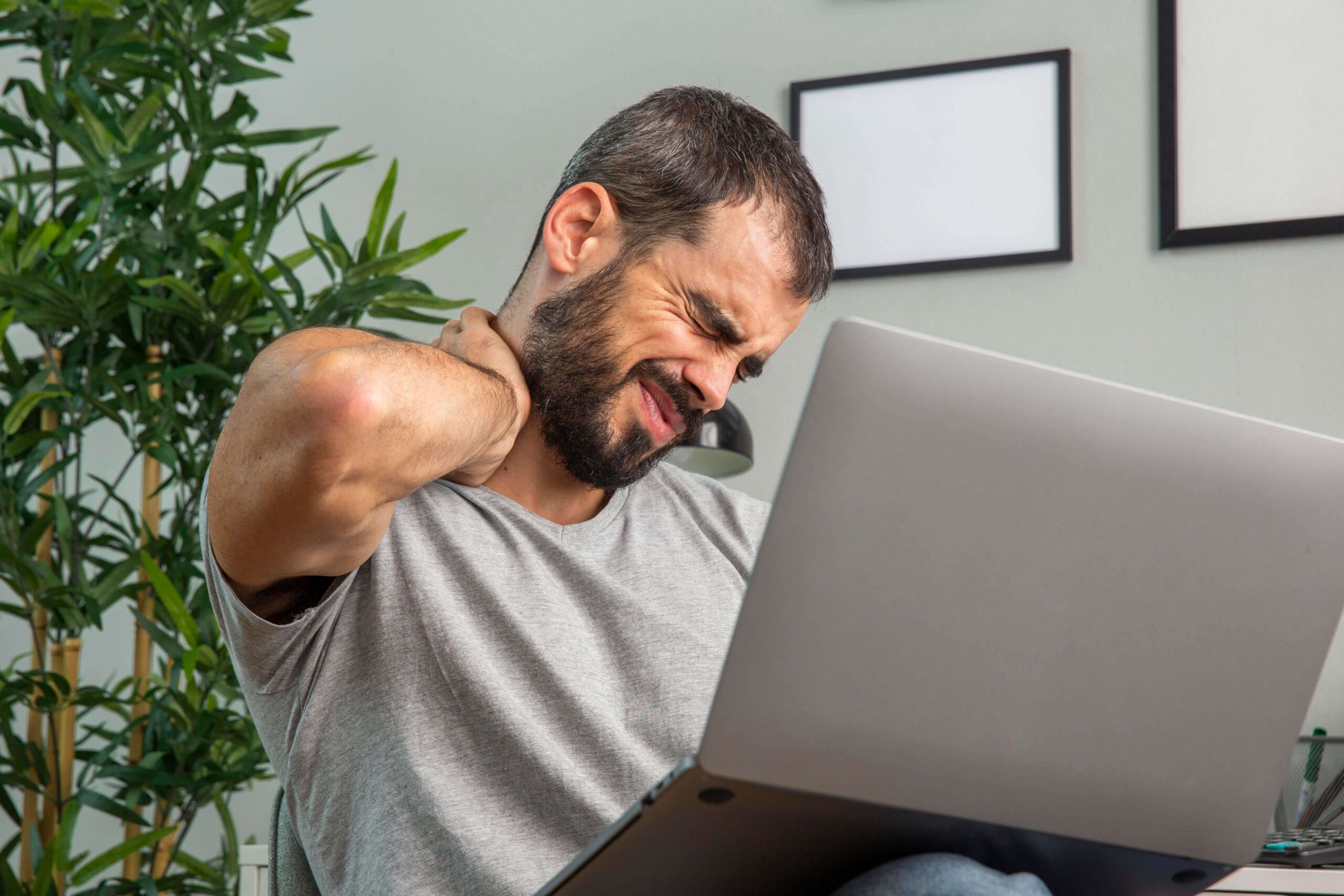
If you have ever stood up after a long Zoom meeting and felt your hips catch or your knees creak, you are experiencing a common phenomenon: “desk stiffness.” It’s a feeling of resistance in the joints, often accompanied by a temporary loss of range of motion.
For the millions of people working desk jobs, this isn’t just a minor annoyance; it is a physiological signal from the body. Understanding why this happens—and how to prevent it—is crucial for maintaining long-term mobility and comfort.
The Mechanics of Joint Lubrication
To understand stiffness, you first need to understand how healthy joints function. Joints are the meeting points between bones, designed to facilitate movement. They aren’t dry hinges; they are sophisticated, self-lubricating mechanisms.
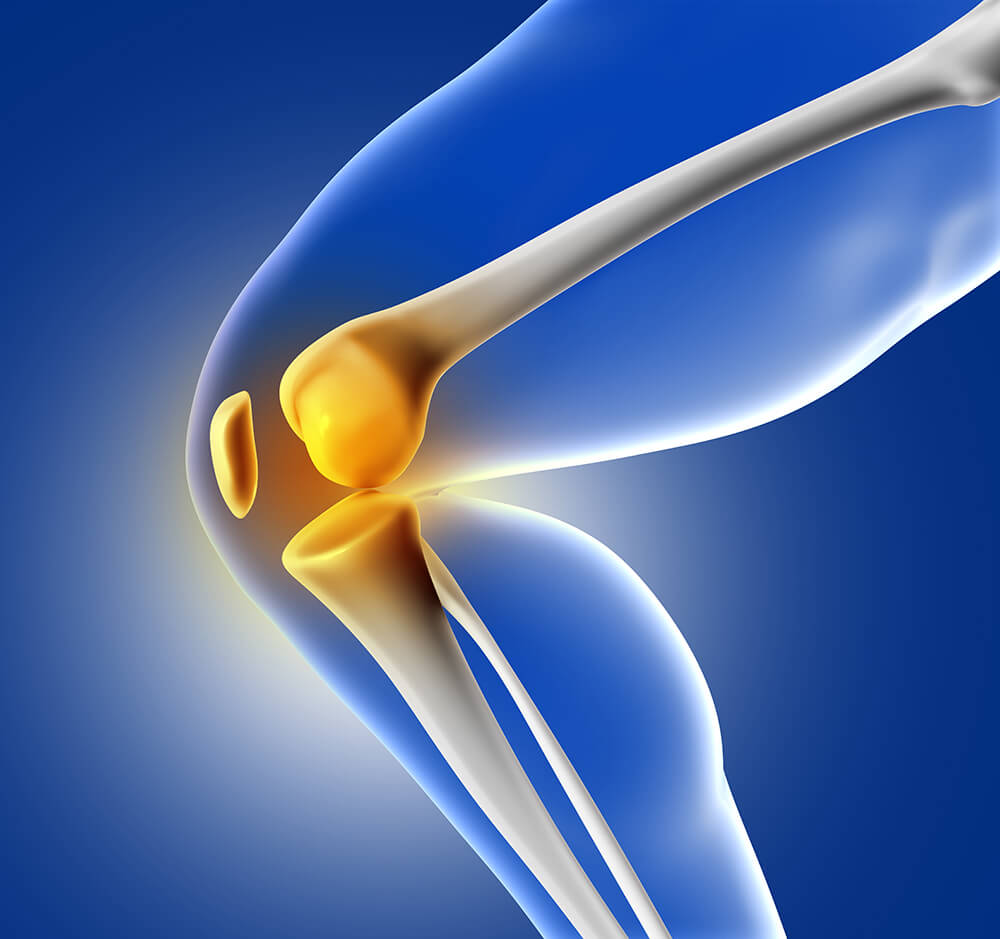
The key player here is synovial fluid. This is a thick, egg-white-like substance that fills the cavities of your synovial joints (like knees, hips, and shoulders). Its primary job is to reduce friction between the cartilage of your bones during movement.
Movement is Lotion
Here is the catch: synovial fluid works best when you move? When you are active, the cartilage in your joints acts like a sponge.
As you put pressure on the joint and then release it, waste products are squeezed out of the cartilage, and fresh, nutrient-rich synovial fluid is soaked up. This process is essential for nourishing the cartilage, which has no blood supply of its own.
When you sit for extended periods—whether coding, writing reports, or scrolling through emails—this pumping mechanism stops. The fluid can become more viscous (thicker), and the cartilage doesn’t get the fresh nutrients it needs. The result is that “rusty hinge” feeling when you finally try to move.
Muscle Shortening and Tightness
Joint stiffness isn’t just about the joint capsule itself; it’s also about the muscles and tendons surrounding it.
When you sit in a chair, your body is held in a specific shape: hips flexed at 90 degrees, knees bent, and often, shoulders rounded forward. Over time, your body adapts to this position.
- Hip Flexors: The muscles at the front of your hips (iliopsoas) remain in a shortened state.
- Glutes: The muscles in your buttocks (gluteus maximus) are lengthened and inactive.
- Hamstrings: The muscles at the back of your thighs are kept short.
When you finally stand up, these muscles struggle to return to their optimal length immediately. The shortened hip flexors pull on your pelvis, creating a sensation of stiffness in the hips and lower back. Essentially, your muscles are “forgetting” how to relax and extend fully, limiting the joint’s range of motion.
Which Joints Are Most at Risk?
While prolonged sitting affects the whole body, certain areas bear the brunt of the sedentary burden.
Hips
The hips take the hardest hit from office work. Because they are locked in a flexed position for hours, the hip flexors become chronically tight. This doesn’t just make the hips feel stiff; it often leads to a chain reaction of pain. Tight hip flexors can tilt the pelvis forward (anterior pelvic tilt), which compresses the lower back vertebrae.
Knees
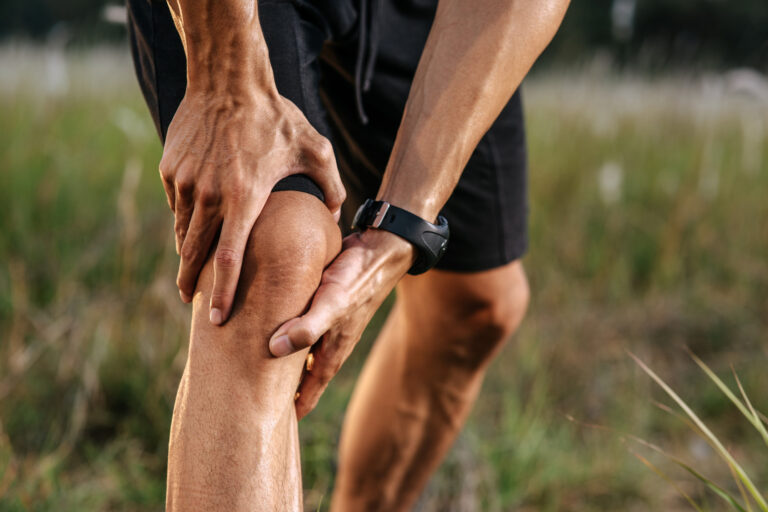
Sitting with knees bent at a 90-degree angle for eight hours a day can cause tightness in the hamstrings and calves. Furthermore, keeping the knee in one position limits the circulation of synovial fluid within the joint capsule. This can manifest as an ache behind the kneecap or a sharp stiffness when straightening the leg.
Spine (Neck and Lower Back)
Most people do not sit with perfect posture. As fatigue sets in, we tend to slump. The head drifts forward toward the monitor, placing immense strain on the cervical spine (neck). Meanwhile, the natural curve of the lower back (lumbar spine) often flattens out or rounds, pressurizing the spinal discs. This static load causes the small facet joints in the spine to stiffen up.
Practical Strategies to Combat Desk Stiffness
You don’t need to quit your job to save your joints. Small, consistent changes to your routine can keep the synovial fluid moving and prevent muscles from locking up.
30-Minute Rule
The most effective strategy is also the simplest: break the pattern. Set a timer for every 30 minutes. When it goes off, you don’t need to do a full workout; you just need to change your position. Stand up, take a lap around the office, or simply march in place for 60 seconds. This resets the “sponge” mechanism in your cartilage.
Desk-Friendly Stretches
Incorporate these movements into your micro-breaks:
- Hip Flexor Lunge: Stand up and take a step back with one foot. Tuck your pelvis under and gently sink down until you feel a stretch in the front of the hip of the back leg.
- Seated Pigeon: While sitting, cross one ankle over the opposite knee. Gently lean forward with a straight back to stretch the outer hip and glute.
- Thoracic Openers: Clasp your hands behind your head and open your elbows wide. Arch your upper back over the top of your chair to reverse the “hunch.”
Ergonomic Adjustments
If your workstation forces you into a bad position, no amount of stretching will fix the root cause.
- Monitor Height: The top of your screen should be at or slightly below eye level so your neck stays neutral.
- Chair Height: Your feet should be flat on the floor with your knees at a 90-degree angle (or slightly lower than your hips).
- Keyboard Position: Your elbows should be at your sides, bent at roughly 90 degrees, so you aren’t reaching forward.
What the Experts Say
Physical therapists and orthopedic specialists emphasize that “motion is lotion.” Dr. Kelly Starrett, a renowned physical therapist and author, famously coined the phrase “sitting is the new smoking” to highlight the systemic health risks of sedentary behavior.
However, many experts now clarify that sitting itself isn’t evil—static positioning is. Dr. Stuart McGill, a professor emeritus specializing in spine biomechanics, suggests that the best posture is “the next one.” This means that constantly shifting your weight, fidgeting, and changing positions is actually healthier for your joints than trying to hold “perfect” posture rigidly for hours.
Experts also recommend incorporating “movement snacks” into your day. Instead of saving all your activity for a gym session after work, sprinkle movement throughout the day. This keeps tissue compliant and joints lubricated, preventing that 5:00 PM stiffness.
FAQs
Does a standing desk fix joint stiffness?
A standing desk can help, but it isn’t a cure-all. Standing still for eight hours can be just as detrimental as sitting, leading to stiffness in the lower back and feet. The key is to alternate between sitting and standing. Aim to stand for 15-20 minutes of every hour.
Can hydration affect joint stiffness?
Yes. Cartilage is primarily made of water (up to 80%). If you are dehydrated, the lubrication in your joints can be compromised. Drinking enough water throughout the workday is a simple way to support joint health.
When should I see a doctor about stiffness?
If your stiffness is accompanied by swelling, redness, heat, or sharp pain that doesn’t go away after moving around, it’s time to see a professional. Also, if morning stiffness lasts longer than 30 minutes, it could be a sign of an underlying inflammatory condition rather than just mechanical tightness.
Keep Moving to Keep Working
Joint stiffness from desk jobs is a modern epidemic, but it is largely preventable. By understanding the biology of your joints—specifically the need for movement to circulate synovial fluid—you can take control of your physical health.
You don’t need to overhaul your life overnight. Start by respecting your body’s need for motion. Stand up during phone calls. Stretch while your coffee brews. Adjust your monitor. These small investments in your mobility will pay dividends in how you feel at the end of the workday and, more importantly, how you move for the rest of your life.



2 Comments
Comments are closed.