
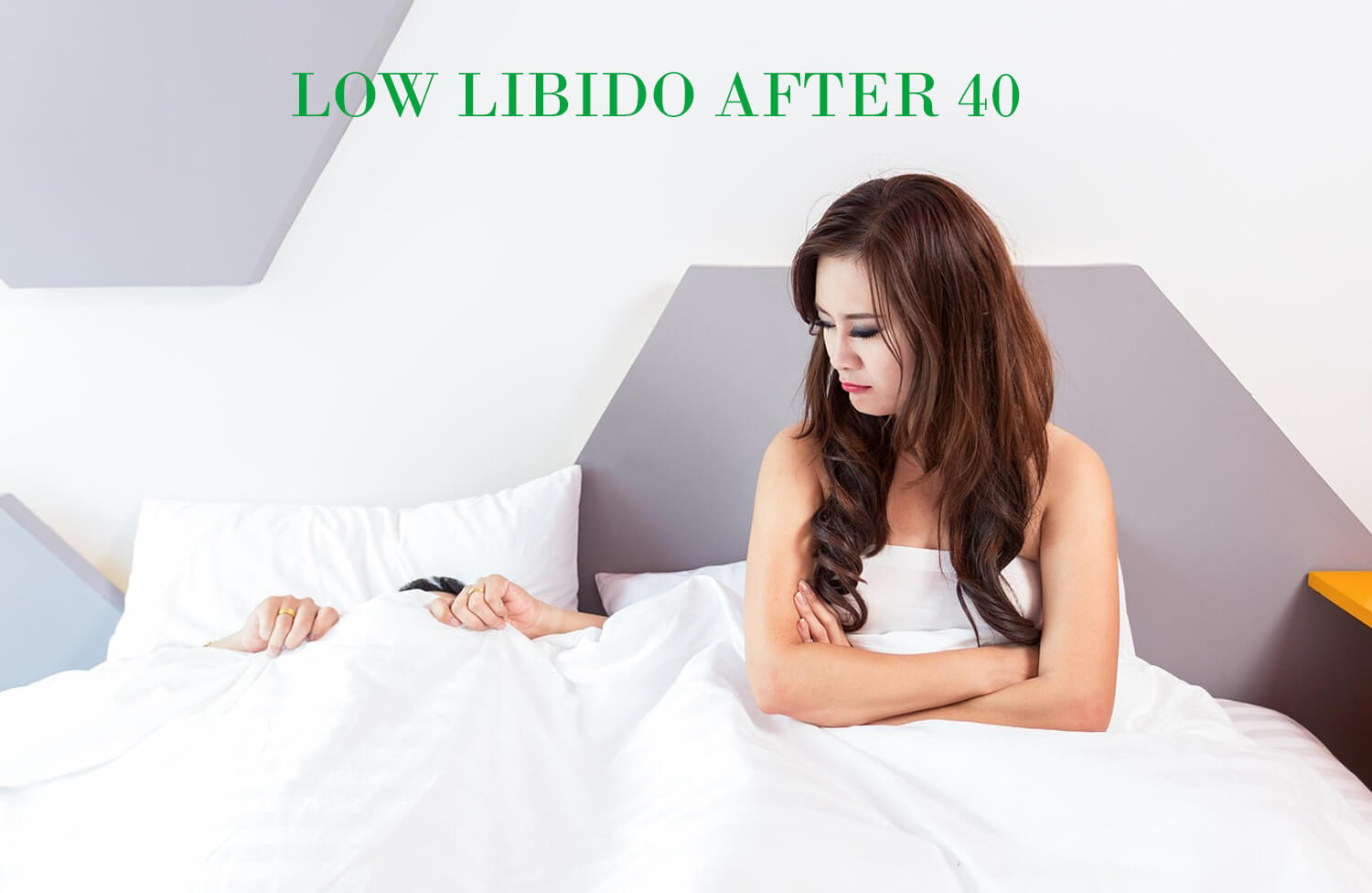
Common Causes of Low Libido in Men Over 40: What’s Really Going On and What You Can Do About It
There’s a conversation most men over 40 avoid having — even with their doctors, It starts with a quiet realization: the drive just isn’t what it used to be.
Spontaneous desire that once felt effortless begins to fade, and with it comes a mix of confusion, embarrassment, and sometimes real concern about what it means. Here’s the truth — a dip in libido after 40 is far more common than most men realize, and more importantly, it is rarely something you simply have to accept.
Low libido in men over 40 is not a character flaw or a sign of weakness. It’s a signal — one that your body is sending for very specific, identifiable reasons. Understanding those reasons is the first step toward reclaiming your vitality.
Testosterone Factor: The Hormone Most Men Already Suspect
If you’ve done even a little research, testosterone has probably come up. And for good reason. Testosterone is the primary male sex hormone responsible for sexual desire, energy, muscle mass, and mood.
After the age of 30, men experience a natural decline in testosterone production of roughly 1% per year. By the time a man reaches his mid-40s or 50s, the cumulative drop can be significant enough to affect libido noticeably.

This condition — clinically referred to as hypogonadism or “Low T” — affects millions of men, yet a surprisingly large number go undiagnosed.
The symptoms don’t always announce themselves loudly. Instead, they creep in gradually: a reduced interest in sex, morning erections becoming less frequent, lower energy throughout the day, and a general flatness in motivation and mood.
Many men chalk it up to aging or stress and move on. But a simple blood test measuring total and free testosterone levels can reveal whether hormones are playing a central role.
Chronic Stress and the Cortisol Connection
Modern life after 40 often comes loaded with responsibilities — career pressures, financial concerns, raising teenagers, aging parents, and the general weight of middle age.
All of this sustained stress floods the body with cortisol, the primary stress hormone. What most men don’t realize is that cortisol and testosterone have an inverse relationship.

When cortisol stays chronically elevated, the body essentially deprioritizes testosterone production, redirecting resources toward the “fight or flight” stress response.
The result? Libido quietly gets pushed to the back of the line. It’s not that you’ve stopped being attracted to your partner or lost interest in intimacy — it’s that your nervous system is operating in survival mode, and sex simply isn’t a survival priority.
Addressing the root cause of chronic stress — whether through lifestyle adjustments, therapy, or stress management practices — can have a surprisingly powerful effect on sexual desire.
Sleep Deprivation: The Overlooked Libido Killer
This one doesn’t get nearly enough attention. Sleep is when the majority of the body’s testosterone is produced. Men in their 40s who consistently sleep less than 6 hours a night can see testosterone levels drop by as much as 10–15%, according to studies published in sleep medicine research. That’s not a trivial number.

Beyond testosterone, poor sleep push cortisol, impairs mood, reduces energy, and diminishes emotional connection with partners — all of which directly suppress sexual interest.
If your libido has been low and your sleep quality has also been suffering, treating the sleep problem may do more for your sex drive than anything else.
Mental Health: Depression, Anxiety, and the Mind-Body Link
The mind is as much a sexual organ as any physical part of the body and depression is one of the most underdiagnosed conditions in men over 40, largely because men are culturally conditioned to push through emotional pain rather than acknowledge it.
Depression doesn’t always look like crying and withdrawal — in men, it frequently shows up as irritability, emotional numbness, overworking, and a loss of interest in things that once brought pleasure. Sex is almost always one of the first casualties.
Anxiety plays a similar role. Performance anxiety, in particular, can create a self-reinforcing cycle where fear of sexual “failure” leads to avoidance, which compounds the anxiety, which further reduces libido. The mental load of anticipatory worry is genuinely exhausting — and it shuts down desire just as effectively as any hormonal imbalance.
It’s also worth noting that many antidepressant medications, particularly SSRIs, list reduced libido as a common side effect, which creates a frustrating paradox for men trying to treat their mental health while preserving their sexual wellbeing.
Medical Conditions That Quietly Suppress Sex Drive
Several chronic health conditions that become more prevalent after 40 are directly linked to low libido. This is where a comprehensive look at the full picture becomes important.
| Medical Condition | How It Affects Libido |
|---|---|
| Type 2 Diabetes | Damages blood vessels and nerves; lowers testosterone; causes fatigue |
| Obesity | Converts testosterone to estrogen via fat tissue; reduces overall T levels |
| Hypothyroidism | Slows metabolism and hormonal function across the board |
| High Blood Pressure | Reduces blood flow; many BP medications also suppress sexual desire |
| Cardiovascular Disease | Poor circulation directly impacts arousal and energy |
| Sleep Apnea | Interrupts the sleep cycles in which testosterone is produced |
| High Prolactin (Hyperprolactinemia) | Directly suppresses testosterone and sexual drive |
What makes these conditions particularly tricky is that men often experience low libido as the first noticeable symptom, while the underlying condition goes undetected. A routine health checkup that includes blood work can often surface these issues before they compound further.
Relationship Dynamics and Emotional Intimacy
This is the conversation that often feels harder to have than the medical one. Sexual desire doesn’t exist in a vacuum — it lives within the context of a relationship. As men move through their 40s, many find themselves in long-term partnerships where the emotional connection has drifted without either person fully noticing. Unresolved conflict, poor communication, resentment, and emotional distance are some of the most powerful suppressors of male libido.
Men are sometimes surprised to discover how significantly their emotional state within a relationship influences their physical desire. It’s not that attraction disappears — it’s that desire requires a certain emotional safety and connection to express itself fully. Couples therapy or even honest, open conversations with a partner about needs and connection can unlock levels of intimacy that reignite physical interest in ways that no supplement or prescription can replicate.
Lifestyle Habits: What You Eat, Drink, and Do Matters
A man’s daily habits accumulate into his hormonal environment. Alcohol, for example, is a testosterone suppressant. While a drink or two occasionally poses little issue, consistent heavy drinking meaningfully lowers testosterone levels and impairs sexual function. Smoking constricts blood vessels and reduces blood flow throughout the body — which matters enormously for sexual arousal and performance.
Diet plays a role too. Diets high in processed foods, refined sugars, and trans fats promote inflammation and weight gain, both of which are associated with lower testosterone. Conversely, diets rich in zinc (found in oysters, beef, and pumpkin seeds), healthy fats, and cruciferous vegetables support hormonal health. Regular physical exercise — particularly strength training — is one of the most evidence-backed ways to naturally support testosterone levels and improve libido. Even moderate exercise three to four times per week creates measurable improvements in sexual health metrics.
When to Talk to a Doctor
If low libido has been persistent for more than a few weeks and doesn’t have an obvious explanation (unusual stress, a difficult life event, short-term illness), it’s worth bringing up with a healthcare provider. A good evaluation will typically include a testosterone panel, thyroid function tests, a metabolic panel, and questions about mental health, sleep, and medications.
Testosterone replacement therapy (TRT) is one option for men with clinically confirmed low testosterone, but it’s not the only one and shouldn’t be the first resort. Many men find that addressing sleep, stress, diet, and mental health first produces dramatic improvements before any pharmaceutical intervention is needed.
Frequently Asked Questions
Q: Is it normal for men to have lower libido after 40?
Yes, it is very common — but “common” doesn’t mean it should simply be accepted without investigation. A gradual decline in sexual interest can be a natural part of aging, but when the drop is significant or sudden, it usually reflects a specific and treatable underlying cause such as hormonal imbalance, chronic stress, poor sleep, or an undiagnosed medical condition.
Q: Can low libido in men over 40 be reversed without medication?
Absolutely. For many men, meaningful lifestyle changes — improving sleep quality, reducing chronic stress, exercising regularly, moderating alcohol, and addressing relationship dynamics — restore libido significantly without medication. The key is identifying which specific factors are driving the issue in your particular case rather than applying a one-size-fits-all approach.
Q: How do I know if my low libido is hormonal or psychological?
The honest answer is that it’s often both, and they tend to reinforce each other. However, a blood test can determine whether testosterone and other hormone levels are clinically low. If hormone levels are normal, the cause is more likely psychological, relational, or lifestyle-based. A doctor who takes a holistic approach will typically evaluate both dimensions rather than treating them as separate problems.






2 Comments
Comments are closed.