
What Your Period Blood Color Might Mean — and How to Track Your Monthly Cycle
Periods are a normal, healthy part of life for most people with a uterus — yet many of us were never taught to truly pay attention to them. The color, texture, and flow of your menstrual blood can actually tell you a lot about what’s happening inside your body. And when you start tracking your cycle, you gain powerful insight into your hormonal health, fertility, energy levels, and overall well-being.
Here’s a complete guide to decoding your period blood and building a cycle-tracking habit that works for you.
What Does Period Blood Color Mean?
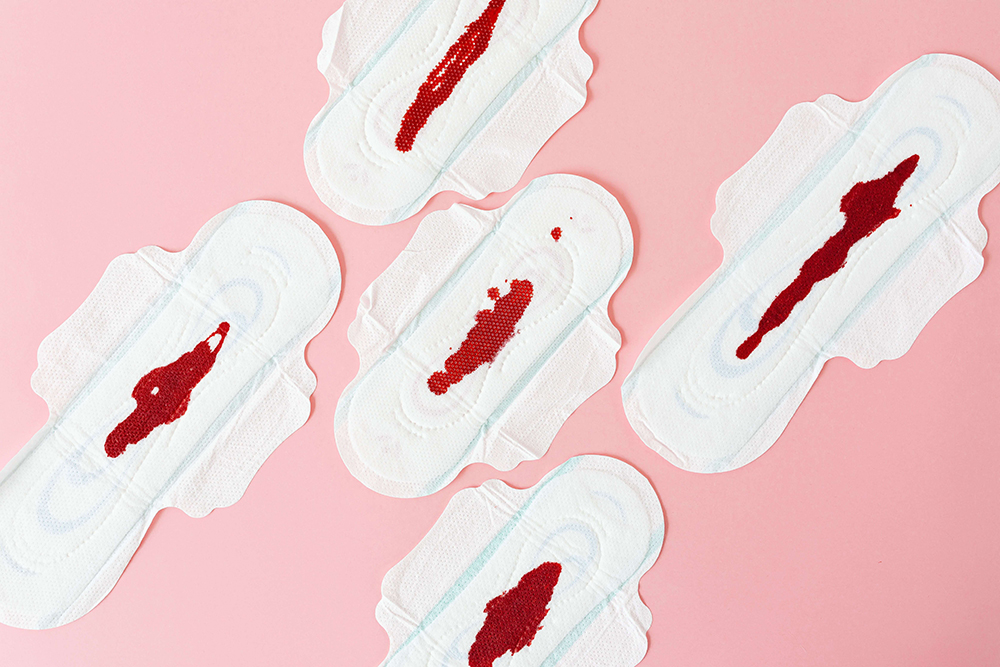
Menstrual blood isn’t always the same shade of red — and that variation is completely normal. Color can shift throughout a single period and from cycle to cycle. Here’s what different colors typically indicate.
Bright Red
Bright red blood usually means fresh, fast-moving flow. It’s most common during the heaviest days of your period (typically days 2–3) when the uterine lining is shedding quickly. Consistent bright red flow throughout your entire period can sometimes signal a heavier-than-average period, but on its own it’s rarely a cause for concern.
Dark Red or Maroon
Darker red blood is common at the beginning or end of your period. It simply means the blood has taken a little longer to leave the uterus and has oxidized slightly. Dark red blood first thing in the morning — after lying down for hours — is very common and perfectly normal.
Brown or Black
Brown or black period blood is older blood. It has had more time to oxidize before leaving the body, which turns it dark. You’ll often see this at the very start or tail end of your period. Brown spotting between periods can also be leftover blood from the last cycle. It looks alarming but is usually nothing to worry about.
When to pay attention: If brown discharge is ongoing, has an unusual odor, or is accompanied by other symptoms, it’s worth mentioning to a doctor, as it can occasionally signal infection or, rarely, retained tissue.
Pink or Light Pink
Light pink blood usually indicates that menstrual blood has mixed with cervical fluid. This is common at the start of your period or mid-cycle during ovulation spotting. It can also occur in people with lower estrogen levels — which can happen due to intense exercise, low body weight, perimenopause, or hormonal imbalances.
When to pay attention: If you consistently have very light pink, watery periods, it may be worth discussing with a healthcare provider to rule out low estrogen.
Orange
Orange-tinged discharge often results from menstrual blood mixing with cervical fluid, similar to pink blood. However, orange discharge — especially if it has a foul smell — can sometimes be a sign of bacterial vaginosis (BV) or another infection.
When to pay attention: Orange discharge with itching, burning, or odor warrants a visit to your doctor.
Gray
Gray discharge is not normal and should be evaluated promptly. It may indicate bacterial vaginosis or, in early pregnancy, could be a sign of miscarriage.
When to pay attention: Always see a doctor if you notice gray discharge.
What About Texture and Consistency?
Color isn’t the only thing worth noticing. Texture matters too.
- Small clots (smaller than a quarter): Normal, especially on heavy flow days. Clots form when blood pools and coagulates before leaving the body.
- Large clots (larger than a quarter): May indicate heavy menstrual bleeding (menorrhagia), fibroids, or hormonal imbalance. Worth discussing with a doctor if frequent.
- Watery or thin flow: Can be normal, but may also be linked to low estrogen or anemia.
- Thick, jelly-like: Often just a sign of heavy flow but can be associated with conditions like endometriosis or fibroids.
Understanding Your Menstrual Cycle
Your period is just one phase of a four-phase hormonal cycle. Understanding all four phases helps you work with your body instead of against it.
Phase 1: Menstruation (Days 1–5, approximately)
Your cycle begins on the first day of your period. Estrogen and progesterone are at their lowest, causing the uterine lining to shed. Energy may be low, and you might feel the need to rest. This is your body doing significant work.
Phase 2: Follicular Phase (Days 1–13, approximately)
Overlapping with menstruation, this phase involves the pituitary gland releasing follicle-stimulating hormone (FSH), which prompts the ovaries to prepare an egg. Estrogen rises, energy increases, and many people feel a mental sharpness and improved mood during this phase.
Phase 3: Ovulation (Around Day 14)
A surge in luteinizing hormone (LH) triggers the release of an egg. This is your most fertile window. You may notice clear, stretchy cervical mucus (similar to raw egg whites), a slight rise in basal body temperature, and increased libido. Some people feel mild one-sided cramping (called mittelschmerz).
Phase 4: Luteal Phase (Days 15–28, approximately)
After ovulation, progesterone rises to prepare the uterine lining for a potential pregnancy. If the egg isn’t fertilized, both estrogen and progesterone drop, and the cycle restarts. PMS symptoms — bloating, breast tenderness, mood changes, food cravings — tend to appear in this phase.
How to Track Your Menstrual Cycle
Tracking your cycle is one of the most empowering health habits you can build. It helps you predict your period, understand your moods and energy, identify irregularities early, and — if relevant — manage fertility.
What to Track
The basics:
- First day of your period (Day 1 of your cycle)
- Last day of your period
- Flow heaviness (light, medium, heavy)
- Blood color and any changes
- Clots or unusual texture
Deeper tracking:
- Mood and emotional state
- Energy levels
- Libido
- Cervical mucus consistency
- Basal body temperature (BBT) — taken every morning before getting out of bed
- Physical symptoms (cramps, bloating, breast tenderness, headaches)
- Sleep quality
- Skin changes (breakouts often correlate with hormonal shifts)
How to Track
Period tracking apps: Apps like Clue, Flo, Natural Cycles, or Ovia make it easy to log symptoms daily and can identify patterns over time. Many also offer cycle predictions and fertility windows.
A journal or planner: A simple paper journal works just as well. Use a monthly calendar and assign symbols or colors to different symptoms and phases.
A BBT thermometer: If you want to confirm ovulation, a basal body temperature thermometer (more precise than a regular one) lets you detect the slight temperature rise that occurs after ovulation.
What to Look For Over Time
After tracking for two to three cycles, you’ll start to notice patterns:
- Cycle length: A typical cycle ranges from 21 to 35 days. Shorter or longer cycles aren’t automatically a problem, but sudden changes may be worth noting.
- Period length: Most periods last 3 to 7 days.
- Recurring symptoms: You may notice you always feel energetic around ovulation, or always get a headache the day before your period — this is useful, predictable information.
- Irregularities: Skipped periods, very heavy bleeding, mid-cycle spotting, or severe pain can all be worth discussing with a healthcare provider.
When to See a Doctor
While variation in period blood color and cycle length is normal, some signs warrant medical attention:
- Periods consistently heavier than normal (soaking through a pad or tampon every hour for several hours)
- Large clots regularly
- Periods lasting longer than 7 days
- Severe cramping that interferes with daily life
- Cycles shorter than 21 days or longer than 35 days
- Periods that suddenly stop for three or more months (without pregnancy or menopause)
- Gray discharge or strongly unusual odors
- Spotting after sex or between periods
These could be signs of conditions like endometriosis, polycystic ovary syndrome (PCOS), uterine fibroids, thyroid disorders, or infections — all of which are very manageable when caught early.
Final Thoughts
Your period is more than an inconvenience — it’s a monthly report card on your hormonal and overall health. Learning to read the signals your body sends can help you advocate for yourself, spot problems early, and feel more in tune with your own rhythms. Start simple: just note the first day of your period each month and jot down what your flow looks and feels like. Over time, you’ll build a picture that’s uniquely yours — and that knowledge is genuinely valuable.
Note: This article is for informational purposes only and does not constitute medical advice. Always consult a qualified healthcare provider with concerns about your menstrual health.