
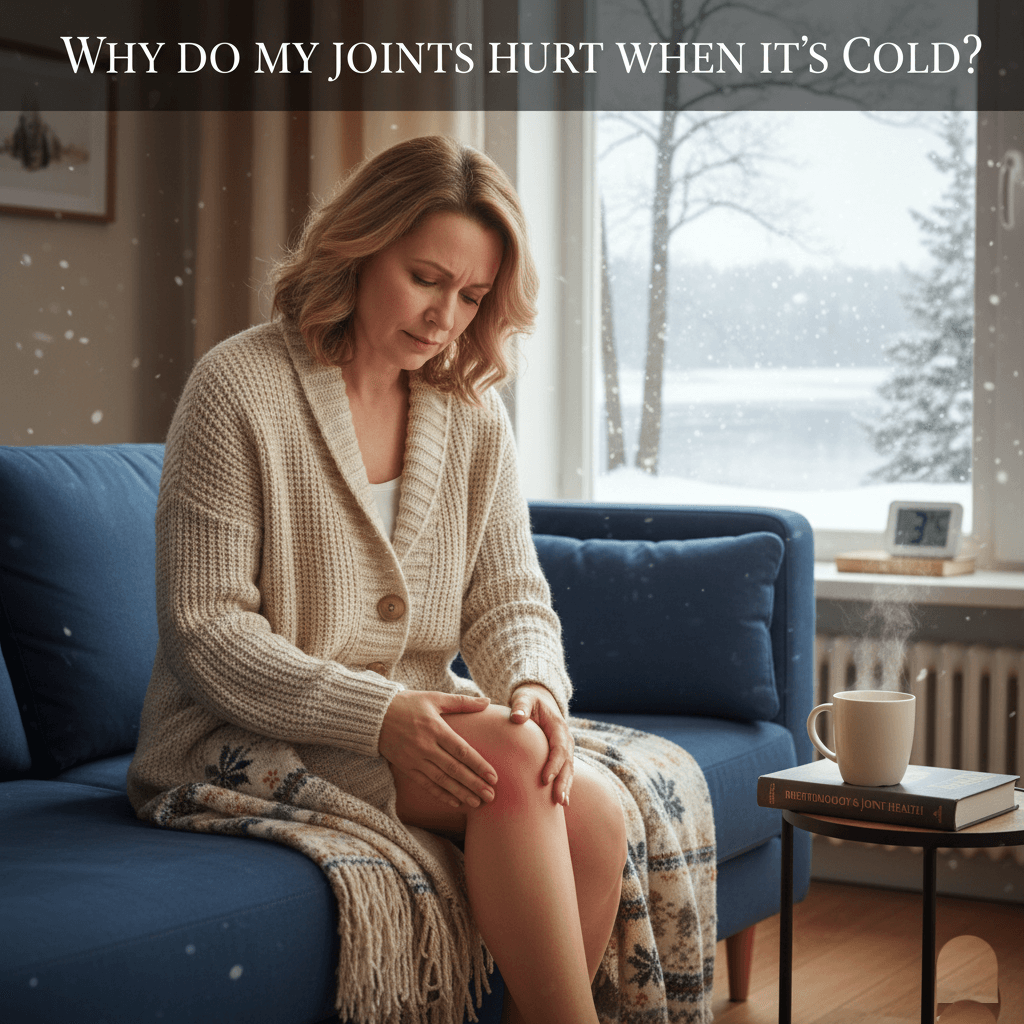
Why Do My Joints Hurt When It’s Cold? The Science Explained
If you’ve ever noticed your knees aching before a rainstorm or your fingers stiffening up on a chilly morning, you’re not imagining things. The connection between cold weather and joint pain is real, and it affects millions of people worldwide. Let’s dive deep into the science behind this phenomenon and understand what’s really happening inside your body.
Cold Weather-Joint Pain Connection: What Research Shows
For decades, people have reported increased joint discomfort during colder months, and science is finally catching up with these observations.
While the exact mechanisms are still being studied, researchers have identified several compelling explanations for why dropping temperatures can make your joints feel like rusty hinges.
Studies have found that approximately 60-70% of people with arthritis report weather sensitivity, with cold and damp conditions being the most common triggers.
But here’s the interesting part: you don’t need to have arthritis to experience this phenomenon. Even healthy joints can become uncomfortable when the temperature drops :O.
Main Scientific Explanations
Barometric Pressure Changes
Before cold weather arrives, barometric pressure typically drops. This is one of the most scientifically supported explanations for weather-related joint pain.
Think of your joints as tiny, sealed compartments filled with synovial fluid. When the atmospheric pressure outside decreases, the pressure inside your joints remains relatively stable. This creates a slight expansion of the tissues around your joints, particularly in areas where there’s already inflammation or sensitivity.
Your joint capsules contain sensory nerves that detect this expansion, sending pain signals to your brain. It’s similar to how a balloon expands when you take it from sea level to a mountaintop—the pressure difference matters.
Temperature-Induced Tissue Contraction
When exposed to cold, the soft tissues around your joints—including muscles, tendons, and ligaments—naturally contract and become less flexible. This contraction serves several purposes:
Cold temperatures cause the synovial fluid inside your joints to thicken slightly, becoming more viscous. Imagine honey fresh from the refrigerator versus honey that’s been sitting at room temperature.
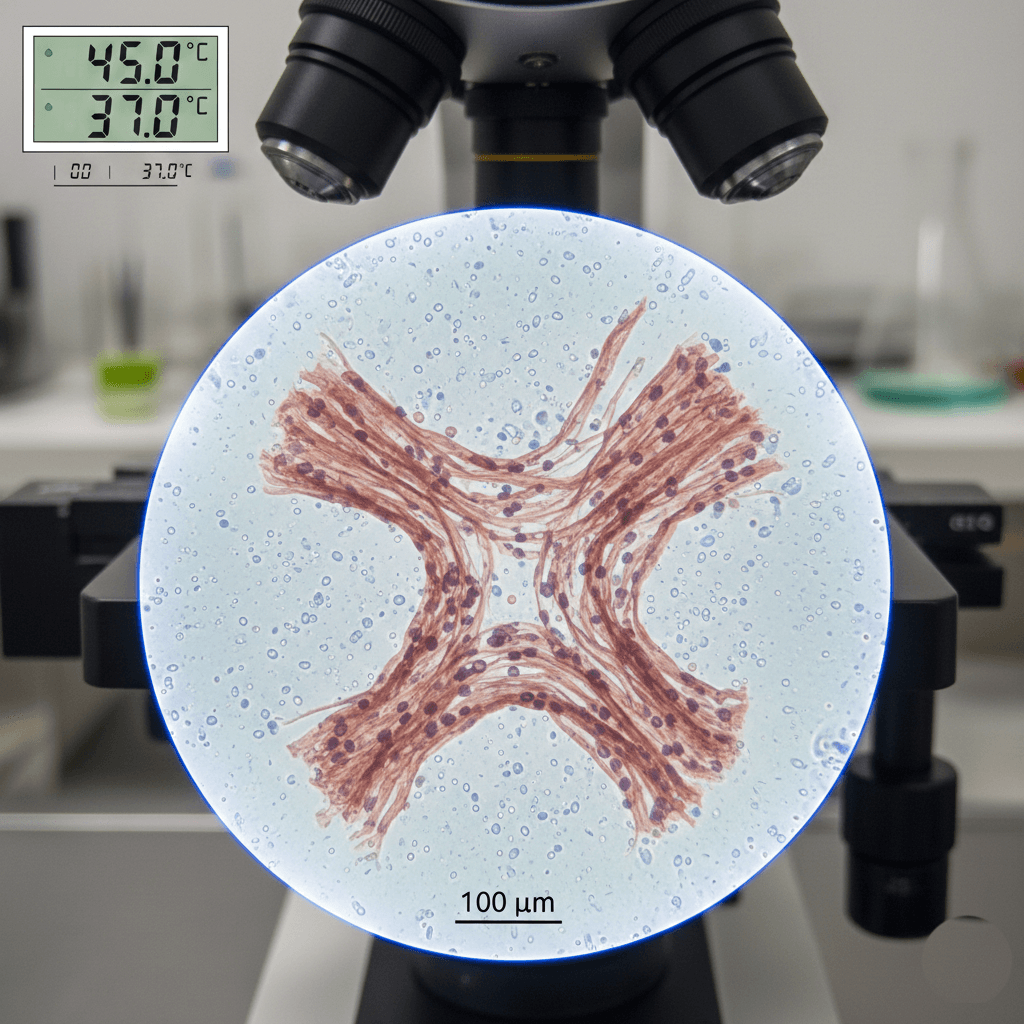
The cold version is thicker and flows less easily. The same principle applies to your joint fluid, making movement feel stiffer and sometimes painful.
Your muscles also tighten in response to cold as a protective mechanism to preserve body heat. This increased muscle tension puts additional stress on your joints, contributing to discomfort.
Reduced Blood Circulation
Your body is remarkably smart about survival. When temperatures drop, your cardiovascular system prioritizes keeping your vital organs warm by reducing blood flow to your extremities and peripheral areas—including your joints.
This decreased circulation means less oxygen and fewer nutrients reaching the joint tissues.
Additionally, waste products that normally get flushed away by good blood flow can accumulate, potentially contributing to inflammation and pain. The reduced blood flow also means the tissues receive less warmth, compounding the stiffness problem.
Nerve Sensitivity Increases
Cold weather can make your nerve endings more sensitive to pain. The peripheral nerves that surround your joints become more reactive in cold conditions, lowering the threshold at which they send pain signals to your brain.
Research has shown that cold can actually slow down nerve conduction velocity—the speed at which nerves transmit signals.
Paradoxically, while this slowing occurs, the nerves become hypersensitive to mechanical stimuli, meaning that normal movements might register as more painful than they would in warmer conditions.
Who’s Most Affected?
Not everyone experiences cold-weather joint pain equally. Certain groups are more susceptible:
People with arthritis top the list. Both osteoarthritis and rheumatoid arthritis sufferers commonly report weather sensitivity. The existing inflammation in their joints makes them more vulnerable to pressure and temperature changes.
Older adults tend to experience more cold-related joint pain because cartilage naturally deteriorates with age, and they often have reduced circulation compared to younger people.
Previous injury sites are particularly vulnerable. If you’ve ever broken a bone or injured a joint, you might notice that area becomes a “weather predictor” as you age. Scar tissue and previous damage create areas of weakness that are more sensitive to environmental changes.
People living in damp, cold climates often report more issues than those in dry cold. Humidity combined with cold seems to be particularly problematic, though scientists are still investigating why moisture amplifies the effect.
Role of Lifestyle and Activity Levels
Here’s something many people don’t consider: we tend to be less active in cold weather. This behavioral change significantly contributes to joint stiffness and pain.
When temperatures drop, most of us naturally huddle indoors, move less, and engage in fewer physical activities. This reduced movement means our joints get less of the natural lubrication that comes from regular use. Joints are designed to move—that’s how synovial fluid circulates and nourishes the cartilage. When we become sedentary, our joints literally become rusty from disuse.
The cold weather also makes us change our posture. We hunch our shoulders, tense our muscles, and move more gingerly, all of which can create additional joint stress and muscle fatigue.
Breaking Down the Pain Cycle
| Factor | How It Affects Joints | Result |
|---|---|---|
| Barometric Pressure Drop | Causes joint tissues to expand slightly | Nerve endings detect expansion and send pain signals |
| Cold Temperature | Thickens synovial fluid and contracts soft tissues | Stiffness, reduced range of motion, discomfort |
| Reduced Circulation | Less blood flow to peripheral joints | Decreased oxygen, nutrient delivery, and waste removal |
| Nerve Sensitivity | Cold increases nerve reactivity | Lower pain threshold, normal movements feel more painful |
| Decreased Activity | Less movement means less joint lubrication | Stiffness compounds, muscles weaken |
| Muscle Tension | Body tightens muscles to preserve heat | Additional stress on joints, restricted movement |
What Actually Happens Inside Your Joint
To truly understand this, let’s walk through what occurs in a typical joint when cold weather hits:
The Setup: Your knee joint, for example, is where your thighbone (femur) meets your shinbone (tibia). The ends of these bones are covered in smooth cartilage, and the whole joint is encased in a capsule filled with synovial fluid. This fluid acts as both a lubricant and a shock absorber.
Cold Weather Arrives: As the temperature drops and barometric pressure changes, several things happen simultaneously. The joint capsule, which is somewhat elastic, expands ever so slightly due to the pressure differential. Meanwhile, the synovial fluid becomes more viscous.
The Cascade Effect: The expansion triggers mechanoreceptors (pressure-sensitive nerve endings) in the joint capsule. At the same time, blood vessels in the area constrict, reducing blood flow. The muscles and tendons around the joint tighten up reflexively.
The Pain Response: Your brain receives multiple signals: pressure change from the mechanoreceptors, reduced nutrient supply from decreased blood flow, and tension alerts from the muscles. It interprets this combination as a threat and generates the sensation of pain and stiffness.
Movement Becomes Difficult: When you try to move, the thickened synovial fluid doesn’t flow as smoothly, the contracted tissues resist stretching, and your nervous system is already on high alert. The result? That familiar achy, stiff feeling that makes you want to stay in bed.
Humidity Factor
One theory suggests that humid air is denser and may contribute to lower barometric pressure effects.
Another possibility is that high humidity affects our body’s ability to sense and regulate internal pressure, making us more aware of joint discomfort.
Some researchers believe humidity may also affect the way our tissues absorb and hold water, potentially increasing swelling in already sensitive joints. While this area needs more research, the anecdotal evidence is strong: many people report that damp cold feels worse than dry cold.
Why Some People Don’t Experience This
If you’re someone whose joints feel fine regardless of weather, consider yourself fortunate. Several factors might protect you:
Healthy cartilage and joints without previous injury or degeneration are less sensitive to environmental changes. The cushioning is intact, inflammation is minimal, and the joints function as designed.
Good circulation means your joints maintain better blood flow even in cold weather, keeping tissues warm and well-nourished.
Regular physical activity keeps your joints mobile and muscles strong, providing better support and maintaining synovial fluid quality.
Body composition matters too. People with more muscle mass tend to generate more heat and may have better protection for their joints.
Practical Strategies That Actually Help
Understanding the science points us toward effective solutions:
Stay warm, but smartly. Layering is your friend. Keep joints covered, particularly knees, hands, and elbows. Compression garments can help maintain warmth and provide gentle support.
Keep moving. This is perhaps the most important advice. Gentle, regular movement keeps synovial fluid circulating and prevents stiffness from settling in. Think of it as keeping the oil flowing in an engine.
Maintain indoor temperature. Don’t let your home get too cold, especially where you sleep. Waking up in a cold room means your joints have been stiff all night.
Stay hydrated. Proper hydration helps maintain healthy synovial fluid consistency. Dehydration can make the fluid less effective at its job.
Consider warm-up exercises. Before heading out into the cold, spend a few minutes doing gentle range-of-motion exercises to get your joints moving.
Hot baths or showers. Warmth increases blood flow and can temporarily relieve stiffness. The combination of heat and gentle movement in water is particularly beneficial.
Anti-inflammatory foods. While not a direct weather solution, maintaining a diet rich in omega-3 fatty acids, turmeric, and other anti-inflammatory foods can help reduce baseline joint inflammation.
When to See a Doctor
While weather-related joint pain is common and usually harmless, certain symptoms warrant medical attention:
- Severe pain that interferes with daily activities
- Swelling that persists or worsens
- Redness and warmth in the joint
- Pain accompanied by fever
- Sudden inability to move a joint
- Pain that doesn’t improve with rest and basic home care
These symptoms might indicate an underlying condition that needs professional treatment rather than just weather sensitivity.
The Bottom Line
The connection between cold weather and joint pain is rooted in real, measurable physiological changes. It’s not “all in your head,” and you’re not alone in experiencing it. The combination of barometric pressure changes, temperature effects on tissues, reduced circulation, and increased nerve sensitivity creates a perfect storm for joint discomfort.
Understanding these mechanisms helps us take proactive steps rather than simply suffering through winter months. By staying active, keeping warm, and listening to our bodies, we can minimize the impact of cold weather on our joints.
Remember that everyone’s experience is different. What works for one person might not work for another, so it’s worth experimenting with different strategies to find what helps you most. The key is understanding that your body is responding to real environmental changes in predictable ways—and with that knowledge, you can take meaningful action to stay comfortable year-round.
Your joints are remarkable structures designed to last a lifetime, but they need care and attention, especially when the weather turns cold. Treat them well, keep them moving, and they’ll serve you faithfully through all seasons.